
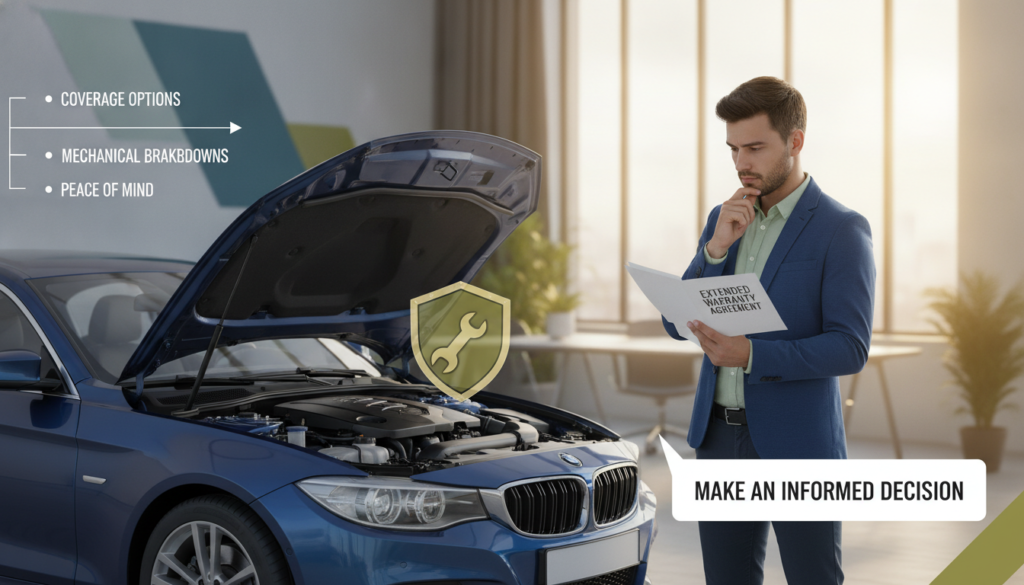
Deciding on an extended car warranty can be a tricky choice. Many drivers feel uncertain about whether to invest in additional coverage. With a recent survey showing that 54% of Americans lack funds for a $2,000 emergency expense, understanding your options becomes crucial.
An extended warranty serves as a safety net against unexpected mechanical failures. However, it’s essential to evaluate if your specific needs justify the upfront investment. Many drivers find that a standard warranty offers initial peace of mind, yet they often hesitate to extend that coverage later.
Knowing the details of your coverage is vital. Unexpected repairs can easily surpass the $2,000 threshold that many Americans struggle to manage. In this article, we will guide you through the complex world of extended warranties. Our aim is to help you avoid unnecessary expenses while ensuring your vehicle is protected.
By analyzing your driving habits and the reliability of your vehicle, informed decisions about future financial security can be made.
Key Takeaways
- Evaluate your financial situation against potential repair costs.
- Consider whether your current warranty meets your needs.
- Understand the specifics of your coverage to avoid surprises.
- Research your vehicle’s reliability before making a decision.
- Stay informed about warranty options to protect your investment.
Introduction to Extended Car Warranties
Navigating the world of extended warranties can feel overwhelming. These optional add-ons provide protection after the factory warranty expires. They are essentially service contracts that cover mechanical failures, ensuring you don’t face hefty repair bills.
Having adequate coverage for your car is vital. It protects against the high costs associated with major engine or transmission failures. A reliable vehicle is a significant asset, and these contracts help maintain that value by ensuring necessary repairs are affordable.
Viewing your car as a long-term investment is crucial. Proper planning can prevent unexpected, expensive mechanical breakdowns. These plans offer a layer of financial security, allowing you to manage your budget without fear of sudden repair costs.
Understanding the Basics of Car Warranties
Understanding car warranties can help clarify your coverage options. Most new cars come with a factory warranty, which typically lasts for 3 years or 36,000 miles. This warranty covers most components but excludes routine maintenance tasks like oil changes.
A powertrain warranty is a specific type of coverage that focuses on the engine and transmission. These parts are among the most expensive to replace if they fail. Knowing the differences between a standard car warranty and an extended plan is essential for avoiding gaps in your protection strategy.
While factory plans are backed by the manufacturer, extended options often come from third-party providers. This can mean different rules for service and repairs. It’s also important to note that neither type of warranty covers wear items, such as brake pads or windshield wipers, which are the owner’s responsibility.
| Warranty Type | Coverage Duration | Components Covered | Exclusions |
|---|---|---|---|
| Factory Warranty | 3 years / 36,000 miles | Most components | Routine maintenance |
| Powertrain Warranty | Varies | Engine, transmission | Wear items |
| Extended Warranty | Varies | Varies by provider | Wear items |
When should you buy an extended car warranty
Choosing the right moment for an extended warranty can greatly impact your financial security. Experts recommend securing this coverage just before your factory warranty expires. This timing ensures you avoid paying for overlap while maintaining continuous protection.
Evaluate your future repair needs by considering how long you plan to keep your vehicle and your annual mileage. A smart decision involves calculating whether the cost of the contract is lower than the potential out-of-pocket repair expenses.
If the purchase is delayed, you may face higher premiums or exclusions for pre-existing conditions. Planning ahead allows you to compare different providers, ensuring you get the best value for your specific make and model.
Exploring Coverage Options and Plan Types
Exploring the various coverage options for your vehicle can be a game changer. Understanding the differences between plans is essential for making the right choice. Each type of warranty offers unique benefits that cater to different needs.
Bumper-to-bumper, powertrain, and wrap options
Bumper-to-bumper coverage is the most comprehensive plan available. It covers nearly all parts of your vehicle, offering peace of mind against unexpected repairs. In contrast, a powertrain warranty focuses strictly on critical components like the engine, transmission, and drive axle.
A wrap warranty fills in the gaps left by a powertrain plan. This option ensures more of your vehicle is protected, making it a great choice for those who want extra coverage.
Differences between manufacturer and third-party warranties
Manufacturer warranties often require you to visit a licensed dealership for repairs. On the other hand, many third-party providers allow you to use any certified repair shop, offering greater flexibility.
It’s crucial to review the coverage details. Different providers have varying definitions of what constitutes a covered mechanical failure. Choosing between these options depends on your risk tolerance and whether you prefer the convenience of a dealer or the flexibility of independent shops.
Determining Your Vehicle’s Reliability and Mileage Needs
Assessing the reliability of your vehicle is vital for making informed decisions about coverage. This is especially true if you’ve owned your car for several years and are nearing high mileage. Understanding its condition can save you from unexpected repair costs.
Companies like Endurance offer plans that cater to older vehicles, even those with high mileage. This flexibility can be a lifesaver for aging car owners. If your vehicle has a history of reliability issues, an extended warranty might be a wise investment. It can help mitigate the risk of future failures.
Reviewing your service records is essential. Frequent repairs may indicate a higher likelihood of future problems. Additionally, high-mileage drivers often benefit the most from these plans. The probability of major component failures significantly increases after 80,000 miles.
| Condition Assessment | Potential Risks | Coverage Options |
|---|---|---|
| Good | Low risk of failure | Basic warranty |
| Average | Moderate risk of issues | Standard extended warranty |
| Poor | High risk of breakdowns | Comprehensive coverage |
Comparing Extended Warranties with Alternative Protection Plans
Exploring the alternatives to extended warranties can reveal valuable options. Understanding the differences between these plans can help you make an informed choice for your vehicle’s protection.
Vehicle protection plans vs. extended warranties
Progressive offers a vehicle protection plan that acts as an alternative to a traditional warranty. This option often provides more flexibility for your money. Additionally, mechanical breakdown insurance can be added to your existing auto insurance policy, enhancing your peace of mind.
Cost effectiveness and peace of mind
These alternative plans are often more cost-effective than traditional extended warranties. They allow you to pay as you go for your coverage, making it easier to manage your finances.
- Compare the total cost of these plans against the price of a standard warranty to see which offers better value for your repairs.
- While warranties are fixed contracts, some protection plans offer the ability to cancel or adjust your coverage based on your current financial situation.
How to Assess the Cost and Value of Extended Warranties
Assessing the financial implications of an extended warranty is crucial for smart vehicle ownership. Understanding the costs involved helps you make informed decisions. Extended warranties typically range from $1,300 to $4,000, depending on factors like the vehicle’s age and model.
It’s important to weigh this cost against the potential for expensive out-of-pocket repairs. A deductible is the amount you pay each time you visit for service. Opting for a higher deductible can often reduce the overall price of your service contracts.
Financial planning is essential. According to a 2025 NerdWallet survey, many individuals struggle to cover a $2,000 emergency expense without significant stress. Thus, calculating the total value of the warranty is key. Compare the premium against the likelihood of needing major repairs during the contract term.
Always read the fine print to understand what is covered. Some plans may have hidden costs that can diminish their overall value.
| Cost Range | Potential Repairs | Deductible Impact |
|---|---|---|
| $1,300 – $4,000 | Major engine or transmission failures | Higher deductibles lower overall costs |
| Varies by vehicle | Electrical system issues | Lower deductibles increase costs |
| Depends on coverage level | Routine maintenance not covered | Choose wisely for budget management |
Steps to Purchasing an Extended Car Warranty
Securing a warranty is more than just a purchase; it’s about ensuring peace of mind. To make the process easier, consider these important steps before finalizing your decision.
Preparing your car’s service history
Gathering your car’s service history is crucial. Many providers require proof of maintenance to validate eligibility for a new contract. This step can significantly impact your options.
Reviewing contract details and coverage limitations
When visiting a dealership, always ask for a detailed breakdown of the contract. Understanding all coverage limitations and exclusions is essential before signing.
If you choose a repair facility, verify that they are authorized by your provider. This ensures they can perform the work and accept your specific warranty plan.
AAA-owned Car Care locations offer a 36-month/36,000-mile warranty on repairs. This is a great benchmark for the quality you should expect from any facility.
Lastly, confirm that the repair facility will handle the pre-authorization process with your provider. This way, you won’t have to pay for the work upfront.
Questions to Ask Before Finalizing Your Warranty Contract
Before sealing the deal on a warranty, it’s crucial to ask the right questions. This step ensures that you fully understand what you’re signing up for and helps avoid surprises later on.
Key points to clarify with dealerships and providers
- Inquire if the warranty is transferable, which can enhance your vehicle’s resale value.
- Clarify with your providers whether you must use a specific repair shop or can choose any certified mechanic.
- Ask these questions to understand the deductible structure and whether the company pays the shop directly or requires reimbursement.
- Verify if there are waiting periods or exclusions for pre-existing conditions that might affect your coverage.
- Getting clear answers from the dealership will help you avoid unpleasant surprises when you need repairs.
Conclusion
Evaluating the need for additional vehicle coverage can feel daunting. The decision often hinges on your long-term plans for your vehicle and your ability to handle unexpected repair costs. Remember, the best value often comes from securing coverage just before your factory warranty expires.
Reading your contract carefully is crucial. Understand your deductible, the required repair facility, and any limitations on the parts or systems covered by the plan. If you have the discipline to save money, setting aside funds for repairs might be a more cost-effective strategy.
Ultimately, the right choice brings peace of mind. It ensures that a major mechanical failure won’t disrupt your financial stability or daily life.