
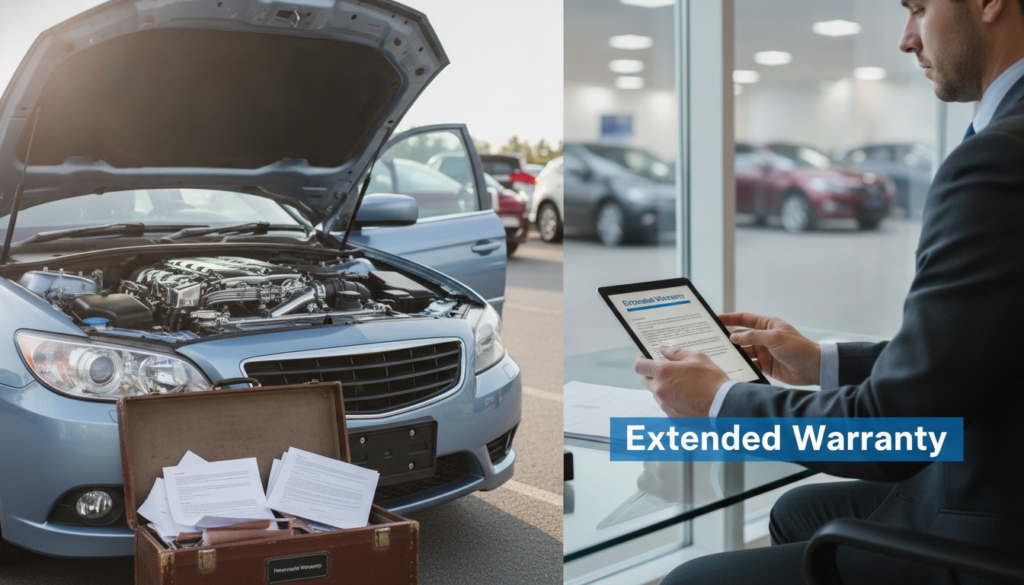
Deciding between a powertrain warranty and an extended warranty is a significant choice for car owners in the United States. Each option offers unique benefits that can protect your vehicle from unexpected repair costs. A standard powertrain warranty generally covers essential components like the engine and transmission, ensuring you are safeguarded against major failures.
On the other hand, investing in an extended warranty means you secure additional protection beyond the original factory coverage. This can be particularly valuable as your vehicle ages and repair costs rise. Many drivers appreciate the peace of mind that comes with a comprehensive warranty, especially when faced with costly mechanical repairs.
Understanding the specific coverage in your plan is crucial. It helps you avoid out-of-pocket expenses for significant engine or drivetrain issues. Whether you own a daily commuter or a luxury car, selecting the right warranties ensures your investment remains protected for years to come.
Key Takeaways
- Choosing between a powertrain warranty and an extended warranty is essential for car owners.
- A powertrain warranty typically covers critical vehicle components.
- Extended warranties provide additional protection beyond factory coverage.
- Comprehensive warranties can ease the financial burden of unexpected repairs.
- Knowing your plan’s coverage helps prevent costly out-of-pocket expenses.
The Importance of Warranties for Your Vehicle
Car ownership brings joy, but unforeseen repairs can quickly become a burden. Today, having auto protection is essential for financial security. Whether you drive a daily commuter or a luxury vehicle, these plans provide peace of mind.
Auto warranties cover crucial repairs related to the engine, transmission, and suspension. These components are vital for safe driving. Without a valid warranty, a major mechanical failure could lead to thousands in unexpected costs.
By properly maintaining your vehicle, you keep your warranty active. This ensures that you’re prepared for any mechanical breakdown that may occur unexpectedly.
| Type of Coverage | Components Covered | Typical Costs |
|---|---|---|
| Basic Warranty | Engine, Transmission | $1,500 – $4,000 |
| Comprehensive Warranty | Engine, Transmission, Suspension | $2,000 – $5,500 |
| Powertrain Warranty | Engine, Transmission | $1,500 – $3,500 |
Decoding Your Powertrain Warranty
Understanding the ins and outs of your powertrain warranty is crucial for every vehicle owner. These warranties typically last between five to ten years, depending on the manufacturer. They provide significant protection against costly repairs for essential components.
Key Components Covered
A factory powertrain warranty usually covers:
- Engine and transmission systems.
- Drivetrain components, including driveshafts and internal seals.
- Major repairs if your engine starts knocking or a critical part fails.
Understanding Exclusions
While powertrain warranties offer extensive coverage, there are some important exclusions to keep in mind:
- Normal maintenance tasks, such as oil changes, are your responsibility.
- Modifications or racing activities can void your coverage.
Exploring Extended Warranty Options
When it comes to protecting your car, understanding the differences in warranty options is essential. An extended car warranty, often referred to as an extended service contract, offers coverage beyond the original factory warranty for your new car. This additional layer of protection can be invaluable as your vehicle ages.
Bumper-to-bumper coverage is ideal for those seeking maximum protection. This type of coverage typically lasts for 36,000 miles or three years of ownership. It’s designed to cover a wide range of components, giving you peace of mind during your driving experience.
Aftermarket warranties are another option. These extended auto warranty plans are provided by third-party companies and often mimic the coverage of a standard factory warranty. When you purchase an extended car warranty from a dealer or third-party, you are essentially buying a safety net for your vehicle.
These plans vary significantly in coverage length and protection level. Therefore, it is important to compare the bumper coverage limits before signing any contract. Doing so ensures you choose the best option for your needs.
| Type of Warranty | Coverage Duration | Typical Components Covered |
|---|---|---|
| Factory Warranty | Up to 3 years / 36,000 miles | Engine, Transmission, Electrical |
| Extended Car Warranty | Varies (often 5-10 years) | Comprehensive, including bumper-to-bumper |
| Aftermarket Warranty | Varies | Similar to factory warranty |
Powertrain warranty vs extended warranty: In-Depth Comparison
When it comes to vehicle protection, understanding the differences between types of coverage is essential. Each option has unique benefits that can impact your driving experience and financial security.
Differences in Coverage
Powertrain warranties focus specifically on the components that drive your vehicle, such as the engine and transmission. This means you get protection for essential parts that are crucial for your car’s movement.
In contrast, an extended warranty often covers a broader range of components, including electrical systems and air conditioning units. This can be beneficial if you want more comprehensive coverage for your vehicle.
Benefits and Drawbacks
Powertrain warranties provide extended car protection but may not cover everything you need. For instance, they do not include wear-and-tear items or other systems that could fail over time.
On the other hand, an extended warranty can offer peace of mind, especially if you want financial security against unexpected repairs. However, it might not be the best fit for everyone, depending on your driving habits and vehicle age.
Many drivers find value in supplementing their coverage with a vehicle service contract, which extends protection beyond the original manufacturer warranty. This can increase your vehicle’s resale value, as potential buyers appreciate knowing they won’t face costly repairs.
| Type of Coverage | Components Covered | Pros | Cons |
|---|---|---|---|
| Powertrain Warranty | Engine, Transmission | Focused protection for essential parts | Limited coverage scope |
| Extended Warranty | Comprehensive (varies by plan) | Broader protection, peace of mind | Can be costly, not for everyone |
| Vehicle Service Contract | Varies | Extended coverage options | Complex terms, may confuse |
For more information on which brands offer the best coverage options, check out this detailed guide.
Coverage Details: What’s Included and Excluded
Understanding what your vehicle’s coverage entails is vital for making informed decisions. Each plan has specific inclusions and exclusions that can affect your experience as a car owner.
For instance, a corrosion warranty protects against rust damage on critical components like the frame and undercarriage. These warranties can last up to eight years or more, providing long-term security.
However, wear-and-tear items, such as brake pads and seals, are often excluded unless they cause a covered part to fail. Under a powertrain warranty, essential components like the axle and CV joints are fully covered if they fail due to a manufacturing defect.
Routine maintenance tasks, like changing your oil or transmission fluid, are your responsibility. Keeping up with these tasks is crucial to ensure your warranty remains valid and active.
- A corrosion warranty covers damage from rust on essential parts.
- Rust warranties can last up to eight years or more.
- Wear-and-tear items like brake pads may not be covered.
- Powertrain coverage includes components like axles and CV joints.
- Routine maintenance is your responsibility to keep the warranty active.
Maintenance and Service Guidelines for Warranties
Keeping your vehicle in top shape is essential for maximizing your warranty benefits. Regular maintenance not only ensures your car runs smoothly but also keeps your warranty coverage intact. You must adhere to scheduled service guidelines to avoid any issues.
Skipping necessary tasks, like transmission fluid changes or using the wrong type of oil, could void the coverage provided by your plan. Routine care is your responsibility, and failure to document these services can lead to denied claims when you need a repair.
Damage from accidents, off-road misuse, or aftermarket parts may not be covered under your standard vehicle service contract. Always review the service records required by your provider to ensure you meet all conditions for filing a successful warranty claim.
| Maintenance Task | Frequency | Importance |
|---|---|---|
| Oil Change | Every 5,000 miles | Essential for engine health |
| Transmission Fluid Check | Every 30,000 miles | Prevents costly repairs |
| Brake Inspection | Every 10,000 miles | Ensures safety and performance |
Cost, Value, and Long-Term Savings
Understanding the financial implications of your vehicle’s coverage is crucial for making smart decisions. A powertrain warranty can save you a lot of money by covering the most expensive parts under the hood, like the engine and transmission.
If something major breaks down, repair or replacement costs can easily run into the thousands, draining your savings account unexpectedly. With a powertrain warranty, you are protected from surprise repair bills, as the plan steps in to handle the cost of labor and parts.
On the other hand, an extended warranty is an investment that helps you avoid the high cost of major mechanical failure after the factory coverage expires. By choosing the right plan, you ensure that your money is spent on reliable protection rather than expensive, out-of-pocket repair work.
Steps to File and Manage Your Warranty Claims
Filing a claim for your vehicle’s coverage can seem daunting, but understanding the process is essential. When a mechanical breakdown occurs, you must follow the specific documentation process outlined by your provider to ensure a smooth claim.
Always keep detailed records of your vehicle service history. These documents are often required to prove that maintenance was performed correctly. If your car experiences a brake failure or other covered issue, contact your provider immediately to get authorization before starting any repair work.
Many modern auto warranties include rental car reimbursement during covered repairs. This feature ensures you stay mobile while your vehicle is in the shop. Quick response time is essential, so choose a provider that offers daily customer service to help you manage your claims efficiently.
Choosing the Best Car Protection Plan
Selecting the right car protection plan is crucial for every driver. The options available can vary widely, so it’s essential to find the best fit for your needs. When considering a plan, think about your driving habits, the age of your vehicle, and your budget.
For instance, if you drive a luxury car like a Ferrari or Lamborghini, Nova Warranty offers comprehensive coverage tailored to your needs. However, if you have a daily driver like a Ford or Honda, there are also affordable plans available.
Not all warranties are created equal. Researching the reputation of the company is vital to ensure you choose a reliable option. You can get a quote in seconds online to see how Nova Warranty can help protect your investment against future mechanical issues.
| Vehicle Type | Coverage Options | Examples |
|---|---|---|
| Luxury Cars | Comprehensive Coverage | Ferrari, Lamborghini |
| Daily Drivers | Affordable Plans | Ford, Honda |
| Exotic Cars | Specialized Coverage | McLaren, Aston Martin |
For more insights on the best coverage options, check out this detailed comparison.
Conclusion
Choosing the right protection for your vehicle can greatly impact your driving experience. It’s essential to consider your driving habits and the miles you plan to cover. A powertrain warranty is ideal for safeguarding critical mechanical components, ensuring your car runs smoothly.
On the other hand, extended options offer added security, helping you avoid hefty repair costs once your factory coverage ends. Remember, consistent maintenance is vital to keep your coverage active and claims processed efficiently.
By comparing your options today, you can enjoy stress-free car ownership for many miles to come.