
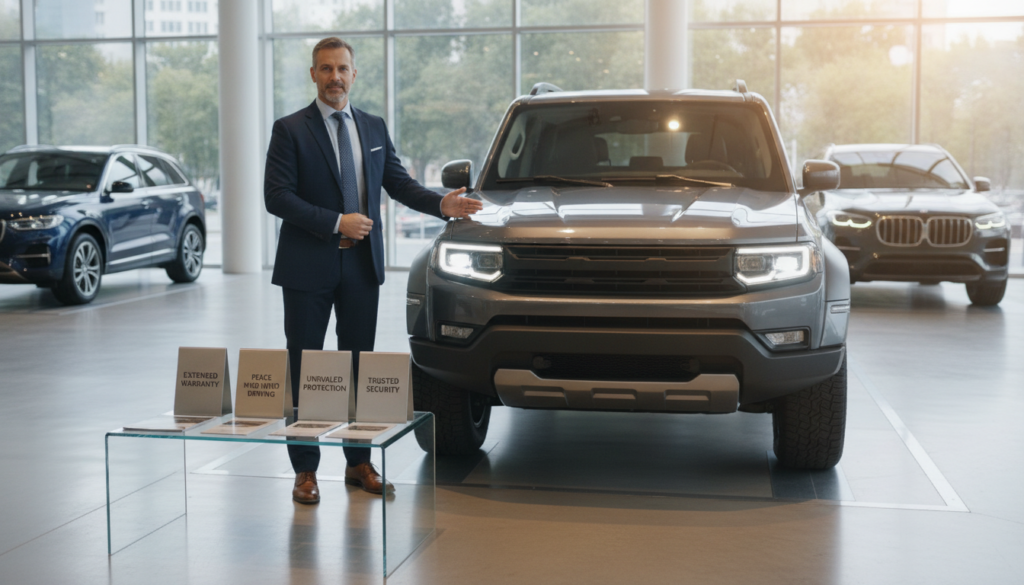
When it comes to your vehicle, peace of mind is priceless. Finding the right protection plan can be a significant decision. You want to balance the potential repair costs against the security of having coverage. A solid plan can help you avoid unexpected expenses that arise after your standard car warranty expires.
Progressive offers vehicle protection plans starting at just $12 a month for newer cars. This affordability makes it easier to manage your budget while ensuring your ride stays protected. If you’re already a Progressive customer, you can easily check your current coverage by calling 1-866-749-7436. This way, you can explore options that fit your needs.
Understanding your options is crucial. Major mechanical failures can occur once the manufacturer’s warranty ends. With the right coverage, you can drive with confidence, knowing you’re protected from high repair costs. In this article, we will guide you through the complex world of vehicle protection, ensuring you make an informed choice without overspending.
Key Takeaways
- Weigh peace of mind against potential repair costs when choosing coverage.
- Progressive offers plans starting at $12 per month for newer vehicles.
- Current customers can verify coverage by calling 1-866-749-7436.
- Standard warranties expire, leaving you responsible for major repairs.
- Get guidance to find the right protection without overpaying.
Understanding Extended Warranties for SUVs
Knowing your car is protected can bring you great peace of mind. An extended warranty serves as a safety net, covering major systems like the engine and drivetrain beyond the standard manufacturer warranty. This coverage can be a lifesaver when unexpected repairs arise.
However, it’s important to understand what these plans do not cover. Typically, they exclude wear and tear or damage resulting from accidents. So, while you gain reassurance against malfunctions, the coverage has its limits.
When you purchase an extended car warranty, you are essentially betting on the reliability of your vehicle’s major components over time. This type of warranty can help you avoid large, unexpected repair bills, provided the specific mechanical failure is listed within your contract’s coverage terms.
| Key Benefit | Description | Consideration |
|---|---|---|
| Peace of Mind | Protection against major repairs. | Read the fine print for specific coverage. |
| Cost Savings | Avoid unexpected repair bills. | Ensure covered components are crucial. |
| Extended Coverage | Lasts longer than standard warranties. | Check duration and mileage limits. |
What Is an Extended Car Warranty & What Does It Cover?
Having a reliable coverage plan for your vehicle can ease your worries. An extended car warranty provides essential protection beyond the manufacturer’s warranty. This coverage typically includes vital components such as the engine, transmission, axles, and differential. Knowing what is included can help you make an informed decision.
However, it’s crucial to understand the limitations. Some warranties only cover named components, meaning if a part isn’t explicitly listed, you’ll be responsible for the repair costs. Here are some key points to consider:
- A powertrain extended car warranty usually covers the engine and drivetrain components for a set period.
- Many plans require you to pay a deductible or submit costs for reimbursement after repairs.
- Review the fine print to identify which specific mechanical systems are included in your coverage.
- This warranty does not replace comprehensive insurance, which is necessary for accident-related damage.
Understanding these aspects is vital for ensuring you have the right protection for your car.
Your Options: Extended Car Warranties vs. Vehicle Service Contracts
Choosing the right protection for your vehicle can significantly impact your driving experience. It’s essential to understand the differences between extended car warranties and vehicle service contracts. While many people use these terms interchangeably, they can differ in administration and sales.
You can opt for traditional extended warranty plans or more flexible vehicle service contracts. The latter often allows for pay-as-you-go payment models, making it easier to manage costs. Progressive, for example, offers vehicle protection plans that can be added directly to your existing car insurance policy.
These plans frequently provide comprehensive coverage options for newer cars. They may include perks like key and fob replacement or minor dent repair. By comparing these options, you can determine whether a traditional warranty or a flexible service contract suits your financial situation and driving habits best.
| Type | Features | Payment Model |
|---|---|---|
| Extended Car Warranty | Fixed coverage for major components. | One-time payment or installment. |
| Vehicle Service Contract | Flexible coverage options. | Pay-as-you-go or monthly installments. |
| Progressive Plan | Comprehensive with added benefits. | Integrated with car insurance. |
Evaluating Extended Warranty Coverage for SUVs
Assessing your vehicle’s protection options can lead to smarter financial decisions. It’s essential to consider the advice of financial expert Dave Ramsey. He suggests that saving for repairs might be a better choice than purchasing a warranty.
Before committing to a long-term contract, evaluate your SUV’s reliability and the predicted repair costs. If you own a model known for issues, an extended warranty could ease your financial worries. However, weigh this against the high upfront costs.
Always compare the total cost of the warranty with the likelihood of needing major repairs during the coverage period. This will help you determine if the investment is worthwhile.
Lastly, consider your personal risk tolerance. Some drivers prefer the security of a warranty, while others may find peace of mind in having a personal savings fund for repairs.
| Consideration | Description | Importance |
|---|---|---|
| Financial Advice | Dave Ramsey suggests saving over buying. | Can lead to better financial health. |
| Reliability Assessment | Evaluate your SUV’s reliability. | Helps in making informed decisions. |
| Cost Comparison | Compare warranty costs with repair likelihood. | Ensures value for money. |
Best extended warranty for SUVs – Features and Benefits
Understanding your vehicle’s coverage options can greatly enhance your driving experience. Many plans are tailored specifically for larger vehicles, addressing their unique needs.
According to AAA, the ideal time to purchase protection is while your vehicle is still under the original factory warranty. This timing ensures a wider selection of terms and potentially lower costs.
Look for plans that include valuable add-ons, such as:
- Tire and wheel protection, which is essential for those who drive on varied terrain.
- Key and battery replacement for added convenience.
- Roadside assistance to help in emergencies.
When selecting your coverage, ensure the provider offers terms that match your driving habits. Verify that features like rental car reimbursement are included to maximize your investment.
Vehicle Service Contracts: A Deeper Look
Understanding the ins and outs of vehicle service contracts can be crucial for your financial peace of mind. These contracts function by obligating a provider or dealership to cover the cost of specific repairs when your vehicle experiences a mechanical breakdown.
It’s important to note that these contracts are not insurance policies. They are subject to different regulatory standards depending on your state of residence, especially in places like California.
These plans make sense if you are risk-averse and want to avoid the volatility of paying for expensive, unexpected repairs out of pocket. Before signing, confirm whether the contract is a dealer-obligor agreement, meaning the dealership is responsible for paying for your covered repairs.
By taking a deeper look at how these service contracts work, you can ensure you are not paying for redundant coverage that your manufacturer warranty already provides.
Considerations for High-Mileage SUV Owners
If you drive a high-mileage vehicle, understanding your coverage options is essential. Many owners face unique challenges as their cars accumulate miles. You need to find a provider that offers coverage for cars with over 100,000 miles on the odometer.
AAA provides specific plans for vehicles up to 12 years old that have accumulated as many as 175,000 miles. This caters to long-term owners who may worry about potential repairs.
It’s important to calculate your annual driving habits. High-mileage vehicles often face more frequent mechanical issues that could exceed the limits of a basic warranty. When shopping for coverage, check if the provider has a maximum mileage limit that would disqualify your SUV from receiving future repairs.
Lastly, for owners of high-mileage vehicles, the cost of the warranty must be weighed against the current market value of the car. This ensures it remains a smart financial decision.
| Consideration | Description | Importance |
|---|---|---|
| Provider Options | Look for coverage for cars over 100,000 miles. | Ensures adequate protection. |
| AAA Plans | Covers vehicles up to 12 years old with 175,000 miles. | Great for long-term owners. |
| Driving Habits | Calculate annual mileage for better planning. | Helps avoid coverage gaps. |
Cost Analysis and Warranty Pricing Strategies
Navigating the costs of vehicle protection can be tricky. Understanding what you’re paying for is essential when considering an extended warranty. You should never accept the first price offered, as the warranty cost is often negotiable, much like the price of the car itself.
Dealerships frequently apply high markups to their service contracts. This means there is significant room for you to negotiate a better deal. Look beyond the monthly payment; calculate the total price over the entire term of the contract.
If you’re buying from a third party, compare their pricing against other providers. This helps ensure you’re not paying an inflated premium for your coverage. Always ask for a breakdown of the costs, including any hidden fees or administrative charges that might be added to the final price of your plan.
Understanding the Fine Print and Exclusions
Knowing the ins and outs of your car’s protection plan can save you from costly mistakes. The fine print of your extended warranty dictates exactly what is covered. You must be aware that common items like catalytic converters are often excluded.
It’s also important to verify where your vehicle can be serviced. Some plans restrict you to specific repair facilities or dealership networks. If a contract is not exclusionary, assume that any part not explicitly listed as covered is excluded from your protection plan.
Understanding these limitations is vital. A surprise repair bill for an uncovered component can quickly negate the value of your warranty. Always read the section on common uncovered repairs to ensure you are not expecting coverage for items that the provider has explicitly opted out of protecting.
Pros and Cons of Dealer vs. Third-Party Warranties
Choosing between dealer and third-party warranties can be a game changer for your vehicle’s protection. Each option has its own set of advantages and disadvantages. Understanding these can help you make a more informed decision.
Buying an extended warranty from a dealer offers the advantage of convenience. You can bundle the cost into your vehicle financing at the time of purchase. This means you won’t have to pay out of pocket immediately. However, it’s important to note that dealer prices may be higher compared to independent providers.
On the other hand, third-party car warranty companies often provide a wider variety of plan options. This allows you to customize your coverage to fit your specific needs. Yet, keep in mind that these providers may require you to use specific repair shops. Always check their network requirements before signing any agreement.
Weighing the pros and cons involves looking at the reputation of the car warranty companies. Investigate their history of paying out claims to customers. This research can help you feel confident in your choice.
State-Specific Insights: Warranties in the United States
Knowing the specific regulations for vehicle protection in your state can save you from potential pitfalls. In California, the laws surrounding vehicle service contracts and mechanical breakdown insurance are particularly strict.
The California Department of Insurance regulates who can sell these products. This is why some major providers, like CarShield, do not operate in the state. If you reside in the Golden State, you may need to consider mechanical breakdown insurance instead of a traditional extended warranty.
Additionally, regional variations in coverage exist. Each state has its own laws regarding the licensing of administrators and the pricing of auto protection products. Always verify that the company you are considering is properly licensed in your specific state. This ensures your contract is legally binding and enforceable.
Customer Reviews and Reputation of Warranty Providers
When selecting a coverage plan, understanding the reputation of warranty providers is crucial. You want to choose a company that has proven itself in the industry. This means looking for providers with a long history of service and satisfied customers.
Experts like Ray Magliozzi from Car Talk recommend reputable companies such as CarChex, Endurance, and autopom! These providers have established a solid track record, making them reliable choices for your vehicle’s protection.
Real customer feedback can also offer valuable insights. Reading reviews helps you gauge how well a company handles claims and customer service. Be cautious of any provider with numerous negative reviews, especially regarding their claims process or hidden exclusions.
Expert reviews from trusted sources can help you filter out unreliable companies. Always check platforms like the Better Business Bureau to see how warranty providers address complaints from their policyholders.
| Provider | Reputation | Customer Feedback |
|---|---|---|
| CarChex | Long history of service | Generally positive |
| Endurance | Strong industry presence | Good customer support |
| autopom! | Trusted by many | High satisfaction rates |
Alternatives That May Offer Better Value
Evaluating alternative protection plans may provide you with better value. One option to consider is mechanical breakdown insurance. This type of coverage is often regulated as an insurance policy, offering more consumer protection in certain states.
Providers like Progressive offer mechanical breakdown coverage through Good Sam. This is available as a standalone policy for both cars and RVs. These plans can deliver more comprehensive coverage for your vehicle’s major systems compared to traditional options.
- Mechanical breakdown insurance often provides better value due to its regulatory oversight.
- You can purchase coverage through providers like Progressive, ensuring your car or RV is well protected.
- These plans may include additional perks, such as roadside assistance, not always found in standard warranties.
- Consider these alternatives if you prefer a more flexible, pay-as-you-go approach to vehicle protection.
How to Choose the Right Extended Warranty for Your SUV
Finding the right coverage for your vehicle can feel overwhelming. It’s essential to start by assessing your SUV’s specific needs. Consider its current mileage, reliability history, and how long you plan to keep it. This evaluation will guide you in selecting a plan that fits your situation.
Next, ask potential providers some key questions. Is the warranty transferable if you decide to sell your car before the coverage term expires? Do they offer a sample contract for you to review? Understanding these aspects can help you avoid surprises later.
Additionally, inquire about the claims process. How quickly do they pay for repairs? Do you have the freedom to choose your own mechanic? Comparing different coverage options is crucial. You want to ensure you’re not paying for protection you don’t need while missing out on essential mechanical coverage.
Finally, ensure the company has a solid reputation and is properly licensed in your state before you commit to any long-term financial agreement. Taking these steps will help you make a more informed choice.
Conclusion
Choosing the right vehicle protection can bring you comfort and security on the road. It’s essential to find a balance between the cost of the plan and the peace of mind it offers. By researching reputable providers and understanding the fine print, you can avoid common pitfalls like hidden exclusions and overpriced service contracts.
Consider alternatives such as mechanical breakdown insurance or personal savings funds, which may provide better value based on your financial situation. Always prioritize companies with a long history of service and transparent claims processes to ensure your vehicle is protected when you need it most.
Ultimately, the right decision depends on your risk tolerance and your commitment to maintaining your car for the long haul. For more options and information, check out comprehensive coverage from America’s most trusted car warranty.