
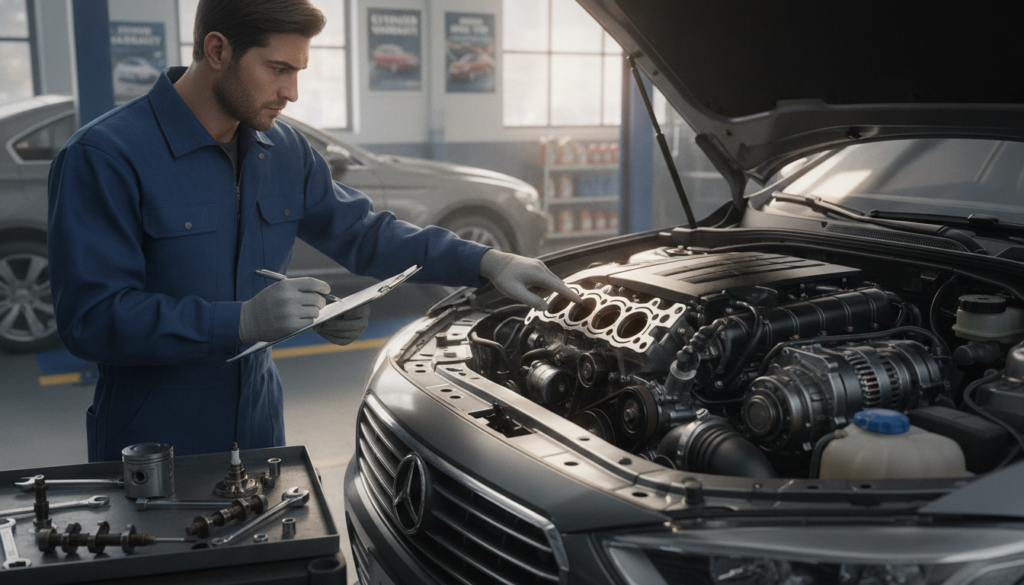
When you own a car, the thought of facing a broken engine can be daunting. The costs associated with such repairs can be overwhelming. That’s why many vehicle owners in the US turn to warranties for protection. A reliable warranty can provide peace of mind when navigating the complexities of auto maintenance.
Understanding your warranty’s specific terms is crucial. This knowledge helps you know what kind of protection you have against expensive repairs. Many people rely on an extended car warranty after their manufacturer warranty expires. This type of coverage can significantly reduce the financial burden of replacing critical parts.
Routine maintenance is key. Regular check-ups can catch engine problems before they escalate into major issues. Keeping your vehicle’s maintenance records up to date is essential to avoid potential claims being denied.
In this article, we will explore how different warranties address engine problems. You’ll learn what you need to know to keep your car running smoothly and protect your investment.
Key Takeaways
- Warranties can help manage repair costs for your vehicle.
- Understanding your warranty’s terms is vital for financial protection.
- Routine maintenance can prevent major engine issues.
- Keeping maintenance records is essential for warranty claims.
- Different warranties offer varying levels of coverage.
Understanding Extended Warranties and Engine Failures
For car owners, the risk of engine malfunctions is a reality to consider. Extended warranties provide a safety net, offering coverage for various vehicle components, including the engine. But what exactly is an extended warranty?
What is an Extended Warranty?
An extended warranty is a service contract that covers repairs after the manufacturer’s warranty expires. It can save you from hefty repair bills, especially when it comes to critical parts. These warranties typically include coverage for major systems like the powertrain.
Common Causes of Engine Failure
Engine failures can stem from several issues. Common causes include:
- Faulty parts that wear out over time.
- Lack of regular maintenance, leading to severe wear and tear.
- Manufacturing defects that may not surface until years later.
When considering your coverage options, it’s essential to understand the terms of your warranty. Many providers exclude damage from neglect, making routine maintenance crucial for keeping your warranty valid.
Does an extended warranty cover engine failure
Owning a vehicle comes with the anxiety of potential engine issues and their costs. In most cases, an extended warranty can help alleviate this worry. If your engine fails due to a mechanical breakdown, you may find that your warranty offers valuable coverage.
If you are concerned about the high cost of engine replacement, having a solid warranty plan can help you manage these expenses. Make sure your car warranty clearly states if it includes coverage for the powertrain, which encompasses the engine and other essential components.
Always read the fine print of your extended car warranty. Look for specific exclusions regarding engine repairs that might apply after a certain number of years. If your engine does fail, ensure that a certified mechanic diagnoses the issue. This step is crucial for qualifying for coverage under your warranty.
Protecting your vehicle with the right plan ensures that you do not have to pay the full cost of a major engine replacement out of pocket.
Differences Between Extended Warranties and Factory Warranties
Choosing the right warranty can make a significant difference in your car ownership experience. Understanding the distinctions between factory and extended warranties is essential for protecting your investment.
Factory warranties are typically divided into two main types: bumper-to-bumper and powertrain. Bumper-to-bumper coverage is the most comprehensive option, covering nearly all components of your vehicle. In contrast, powertrain coverage focuses primarily on critical components like the engine and transmission.
When your manufacturer warranty expires, an extended car warranty can step in to provide continued protection. This type of warranty acts as a bridge, ensuring coverage for your vehicle’s most expensive parts.
It’s crucial to be aware of specific exclusions in your warranty. Many extended warranties offer similar protections to the original manufacturer warranty, but understanding these differences can help you avoid unexpected repair costs.
Key Components Covered Under an Extended Warranty
Understanding the specifics of your car’s warranty can significantly enhance your ownership experience. When you invest in an extended warranty, you want to know what parts are protected. This includes vital systems like the engine and transmission.
Engine and Transmission Protection
Many warranties focus on essential components, ensuring that your car runs smoothly. Here are some key benefits:
- Comprehensive coverage: Protects against costly repairs for major systems.
- Quality providers: Ensure that if your engine needs a replacement, the cost is covered.
- Verification: Always check that your warranty includes coverage for the engine and transmission.
Service Contracts and Additional Perks
In addition to basic protection, many service contracts offer valuable perks:
- 24/7 roadside assistance for emergencies.
- Trip-interruption costs to cover unexpected travel expenses.
- Towing reimbursement to help you when your car breaks down.
By investing in a reputable extended car warranty, you gain access to a network of repair shops. This can make handling complex repairs much easier.
Factors Impacting Engine Coverage
Car warranties can be complex, and knowing their limitations is key to ensuring your vehicle’s protection. The terms set by manufacturers can vary widely, so it’s essential to read the fine print. This helps you understand what your warranty truly includes.
Manufacturer Terms and Exclusions
Your manufacturer warranty may have specific exclusions. For example, damage caused by unauthorized modifications or neglecting routine maintenance could void your coverage. When considering an extended car warranty, keep in mind that wear and tear are often excluded from the terms.
Different types of warranties typically come with varying conditions. Some may require you to use specific parts or authorized repair facilities. If you fail to adhere to your car’s maintenance schedule, you risk voiding your warranty coverage.
Always review the terms of your extended car warranty. Ensure it covers related components like the cooling system or electrical parts. Understanding these factors helps you avoid unexpected out-of-pocket costs when your vehicle requires a major repair.
| Warranty Type | Coverage Included | Common Exclusions |
|---|---|---|
| Manufacturer Warranty | Powertrain, bumper-to-bumper | Neglect, unauthorized modifications |
| Extended Car Warranty | Major components, roadside assistance | Wear and tear, non-authorized repairs |
| Third-Party Warranty | Customizable options | Varies by provider |
Navigating the Warranty Purchase Process
Navigating the world of car warranties can feel overwhelming, especially when considering potential repair costs. Before your factory warranty expires, you have the option to purchase an extended car warranty from your dealer or a third-party provider.
It’s important to conduct a cost-benefit analysis. The upfront cost of some warranties may exceed the actual price of potential repairs for your vehicle. Always compare providers and look for terms that offer clear coverage for parts replacement, including labor costs.
Third-party service contracts often provide more flexible options than those offered directly by the manufacturer at the dealership. Always ask about the deductible and the types of repair shops you can use. These factors can significantly impact your total out-of-pocket costs.
By researching different providers, you can find a warranty that covers your engine and other critical systems for a reasonable period of time.
Protecting Your Investment with Comprehensive Coverage
Investing in a car is significant, and ensuring it stays protected is crucial. Selecting the right plan can provide you with peace of mind while driving. A good warranty not only covers essential components but also helps you avoid unexpected repair costs.
When choosing a plan for your car, consider if the warranty covers the cost of parts and labor for major repairs. This can be especially important for your vehicle’s powertrain. Here are some key points to consider:
- Comprehensive coverage: Protects your engine and other vital components.
- Reputable providers: Choose a warranty provider known for quality service.
- Transferability: A transferable warranty can increase your car’s resale value.
- Related components: Ensure coverage includes parts like the cooling system.
- Wear and tear: Check if the plan addresses normal wear and tear.
By carefully selecting the right protection, you ensure that your car remains reliable and that you are not hit with massive repair bills.
| Plan Type | Coverage | Key Benefits |
|---|---|---|
| Comprehensive Warranty | Major components, including engine | Peace of mind, fewer out-of-pocket expenses |
| Powertrain Warranty | Engine, transmission, and drivetrain | Focus on critical parts, essential for longevity |
| Basic Warranty | Limited coverage for basic repairs | Cost-effective for newer vehicles |
Maximizing Vehicle Protection Options in the US
Ensuring your vehicle is well-protected involves understanding various coverage options. The right plan can save you from unexpected repair costs. Whether you choose a manufacturer plan or a third-party provider, knowing what’s available is key.
Service contracts and extended car warranties can offer valuable protection. Here are some important points to consider:
- You can contact Endurance at (800) 253-8203 to discuss how their service contracts can provide the best protection for your car’s engine.
- Progressive offers a vehicle protection plan starting at $12 per month, which is a great option for newer cars needing coverage for major systems.
- If you are a Progressive customer, you can call 1-866-749-7436 to check your current coverage and see if you need additional protection for your vehicle.
- Maximizing your protection options involves comparing the cost of service contracts against the potential expense of engine damage or other major repairs.
- Always evaluate the reputation of the provider to ensure they have a history of honoring claims and providing excellent service to car owners.
To dive deeper into the differences between warranty options, check out this article on warranty comparisons.
| Provider | Plan Type | Monthly Cost |
|---|---|---|
| Endurance | Service Contract | Varies |
| Progressive | Mechanical Breakdown Plan | $12 |
| Manufacturer | Extended Warranty | Varies |
Conclusion
Being proactive about your vehicle’s protection can save you from financial headaches down the road. Navigating warranty options for repairs is critical for safeguarding your car and budget. At Last Chance Auto Repair in Plainfield, IL, we emphasize that understanding your coverage is the best way to ensure peace of mind.
Choosing the right extended car warranty provider can save you from high repair costs and keep your car running longer. Always remember that a reliable powertrain plan is a key component of your overall vehicle protection strategy for the years ahead.
By making an informed decision today, you can drive with confidence knowing your engine is backed by a trusted warranty. We hope this guide has helped you understand how to secure the best protection for your car and your peace of mind.